
The Science of Scalp Care: Proven Methods for Stronger, Healthier Hair

1. The Importance of Scalp Health for Stronger Hair: A Scientific Perspective
The scalp serves as the foundation for hair growth, with key physiological factors such as sebaceous glands, hair follicles, and microcirculation playing essential roles. A healthy scalp promotes strong, shiny, and resilient hair, while imbalances can lead to hair thinning, dandruff, and scalp irritation. Understanding the science behind scalp health allows for targeted care that enhances both hair quality and overall well-being.
2. Key Factors Affecting Scalp Health: Internal and External Influences
Scalp health is influenced by internal factors such as hormones, diet, and stress levels, as well as external factors like environmental pollution, water quality, and product buildup. Hormonal imbalances can cause excessive oil production or hair loss, while poor dietary habits can weaken hair follicles. Adopting a holistic approach—balancing internal and external influences—helps maintain a healthy scalp environment.
3. Proper Hair Washing Techniques and Product Selection: Avoiding Common Mistakes
Washing your hair correctly is crucial for scalp health. Key steps include adjusting water temperature, applying shampoo properly, and ensuring thorough rinsing. Many people make common mistakes, such as over-washing, using harsh products, or scrubbing too aggressively, which can damage the scalp. Choosing the right shampoo for your hair type—whether moisturizing, clarifying, or sulfate-free—can help maintain an optimal balance.
4. Advanced Scalp Care: Massage, Exfoliation, and Hydration
Scalp massage improves blood circulation and promotes hair growth, while exfoliation removes dead skin cells and product buildup, preventing clogged follicles. Proper hydration is equally important; lightweight scalp serums and essential oils can help maintain moisture levels. These advanced scalp care techniques contribute to a healthier, balanced scalp environment, reducing issues like flakiness and irritation. For a more in-depth analysis, you may refer to the Aimhealthyu Expert Group‘s presentation at the 2024 AMWC Asia-TDAC or check the following section:
Traditional Scalp Care vs. Modern Science-Based Scalp Care
- Traditional Scalp Care: Relies on basic shampooing and conditioning without addressing scalp-specific needs.
- Science-Based Scalp Care: Incorporates targeted treatments such as scalp exfoliation, hydration serums, and microbiome-friendly formulations.
- Impact: Modern scalp care enhances scalp health at a deeper level, promoting stronger and healthier hair.
Natural Remedies vs. Dermatologist-Recommended Treatments
- Natural Remedies: Uses essential oils, herbal rinses, and DIY masks to nourish the scalp.
- Dermatologist-Recommended Treatments: Includes clinically tested ingredients like salicylic acid, peptides, and probiotic-based scalp care.
- Impact: While natural remedies offer mild benefits, professional treatments provide scientifically backed solutions for chronic scalp issues.
Daily Scalp Care vs. Intensive Treatment Plans
- Daily Scalp Care: Focuses on routine maintenance, including gentle washing, hydration, and scalp massages.
- Intensive Treatment Plans: Involves specialized care such as anti-inflammatory scalp serums, medical-grade exfoliants, and in-clinic scalp therapies.
- Impact: A combination of consistent daily care and periodic intensive treatments delivers optimal scalp health results.
5. The Role of Diet and Nutrition in Scalp Health
Certain nutrients play a vital role in maintaining scalp health, including Omega-3 fatty acids, B vitamins, zinc, iron, and protein. Foods rich in these nutrients—such as salmon, nuts, leafy greens, and eggs—support hair follicle strength and reduce inflammation. A well-balanced diet directly impacts scalp and hair condition, making nutritional intake a key component of long-term scalp care.
6. Common Scalp Problems and Their Solutions
- Dandruff & Dry Scalp: Often caused by a lack of moisture or an imbalance in the scalp’s microbiome. Solutions include hydrating shampoos, antifungal treatments, and reducing the use of heat styling tools.
- Oily Scalp: Excess sebum production can lead to greasy hair. Using clarifying shampoos and avoiding over-washing helps regulate oil levels.
- Hair Thinning & Sensitivity: Stress, diet, and hormonal fluctuations can contribute to hair loss. Scalp serums and lifestyle adjustments can help improve overall scalp resilience.
7. How Daily Habits Influence Scalp and Hair Health
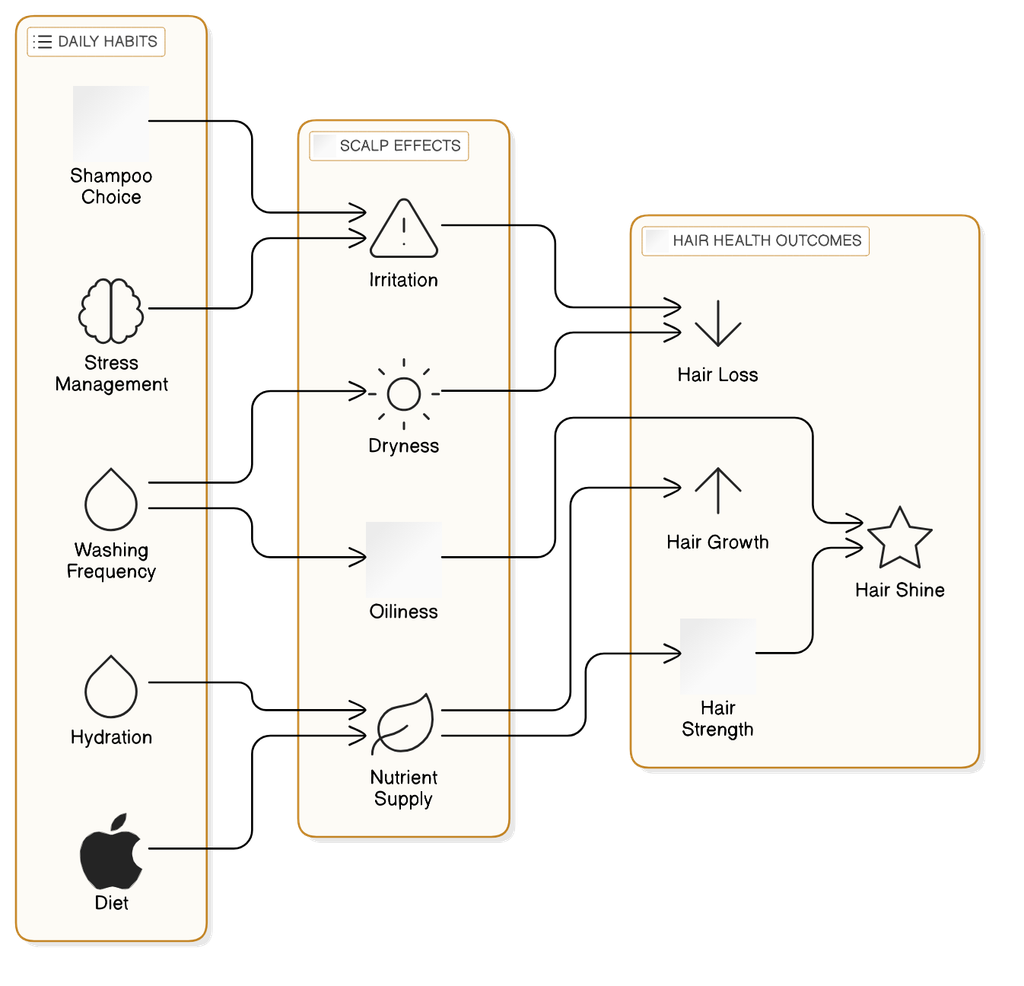
Daily routines significantly impact scalp condition. Habits such as excessive heat styling, prolonged hat-wearing, poor sleep quality, and unmanaged stress can weaken the scalp’s natural barrier. Making adjustments—such as lowering blow dryer temperature, improving sleep hygiene, and managing stress—can prevent scalp irritation and enhance long-term hair health.
8. Future Trends in Scalp Care: Innovations and Emerging Products
The scalp care industry is evolving with advanced technologies such as microbiome-friendly formulations, AI-driven scalp analysis, and plant-based active ingredients. These innovations aim to provide personalized scalp treatments that cater to different scalp conditions. Understanding these emerging trends helps consumers make informed choices, ensuring they adopt the most effective scalp care solutions.