15 Essential Home Safety Tips Every Family Should Follow
Your home should be the safest place for your family. However, everyday hazards like fires, falls, electrical issues, and security risks can happen if proper precautions are not taken.
The good news is that a few simple improvements can make a huge difference. Here are 15 practical home safety tips to help you create a safer and more secure living environment.
Why Home Safety Matters
Accidents at home are one of the leading causes of injuries. Regular maintenance and smart safety habits can significantly reduce risks and protect everyone in your household.
1. Install Smoke and Carbon Monoxide Detectors
Place detectors on every floor and near bedrooms.
Remember to:
- Test them monthly
- Replace batteries yearly
- Replace units every 10 years
2. Create a Family Emergency Plan
Every household should have an emergency plan.
Discuss:
- Fire escape routes
- Emergency contact numbers
- Safe meeting locations
Practice the plan twice a year.
3. Keep Walkways Free of Clutter
Loose objects increase the risk of falls.
Keep:
- Hallways clear
- Staircases organized
- Rugs secured
Good lighting also helps prevent accidents.
4. Improve Door and Window Security
Secure entry points by:
- Installing deadbolt locks
- Reinforcing doors
- Locking windows properly
- Adding motion-sensor lights
5. Childproof Your Home
If you have children, install:
- Cabinet locks
- Stair gates
- Outlet covers
- Furniture anchors
Store dangerous items out of reach.
6. Prevent Electrical Hazards
Electrical safety is often overlooked.
Avoid:
- Overloading outlets
- Using damaged cords
- Running wires under carpets
Hire a professional if you notice issues.
7. Keep a First Aid Kit Ready
Every home should have a fully stocked first aid kit.
Include:
- Bandages
- Antiseptic wipes
- Gloves
- Flashlights
- Extra batteries
8. Practice Kitchen Safety
Many house fires start in the kitchen.
Remember:
- Never leave cooking unattended
- Keep flammable items away
- Turn pot handles inward
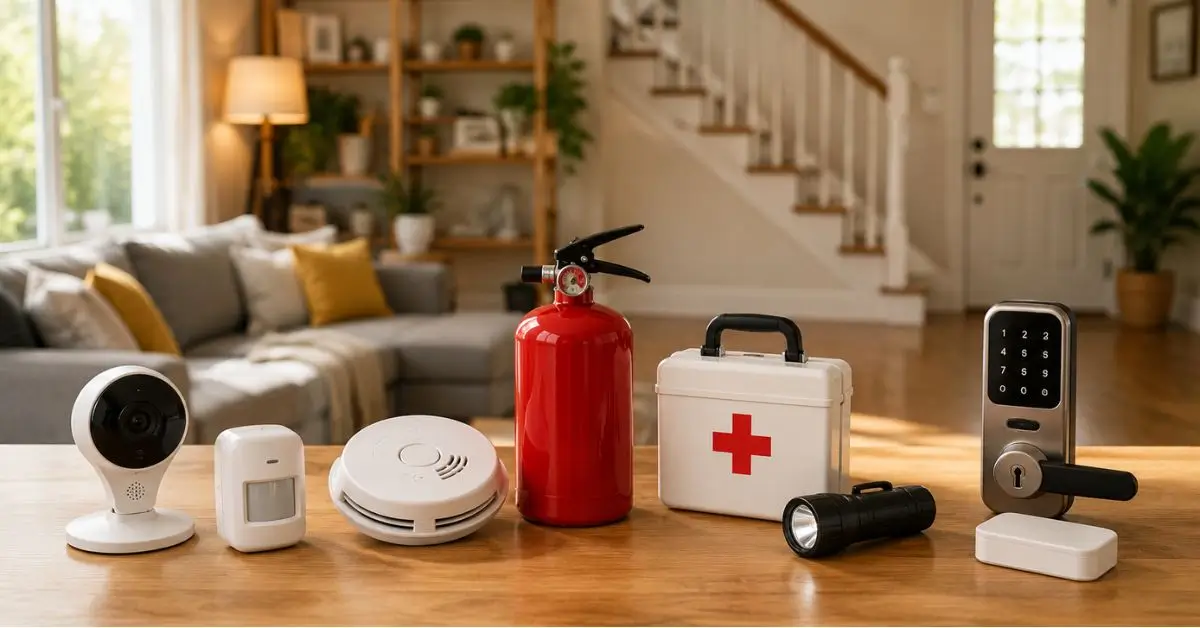
9. Install Smart Home Security Devices
Technology can improve safety.
Consider:
- Video doorbells
- Smart locks
- Security cameras
- Mobile security apps
10. Store Chemicals Safely
Household cleaners and medications should be:
- Clearly labeled
- Stored in locked cabinets
- Kept away from children and pets
11. Secure Heavy Furniture
Anchor:
- TVs
- Bookshelves
- Dressers
This prevents dangerous tip-over accidents.
12. Improve Outdoor Lighting
Well-lit areas discourage intruders and prevent falls.
Focus on:
- Driveways
- Pathways
- Front entrances
13. Check Heating Equipment Regularly
Inspect:
- Fireplaces
- Space heaters
- Chimneys
Keep anything flammable at least three feet away.
14. Build an Emergency Supply Kit
Prepare for unexpected situations.
Include:
- Water
- Non-perishable food
- Phone chargers
- Batteries
- Flashlights
15. Perform Seasonal Safety Inspections
Inspect your home every season.
Check:
- Smoke detectors
- Roof leaks
- Outdoor pathways
- Electrical systems
Small repairs today can prevent bigger problems later.
FAQs
What are the most important home safety tips?
Install smoke detectors, secure doors, prevent falls, childproof your home, and create an emergency plan.
How often should smoke detectors be tested?
Test them once every month and replace batteries yearly.
How can I make my home safer for children?
Use outlet covers, stair gates, cabinet locks, and secure heavy furniture.
What should be in a home emergency kit?
Water, food, flashlights, batteries, medications, and first aid supplies.