
Content Marketing: The Key to Long-Term Business Growth
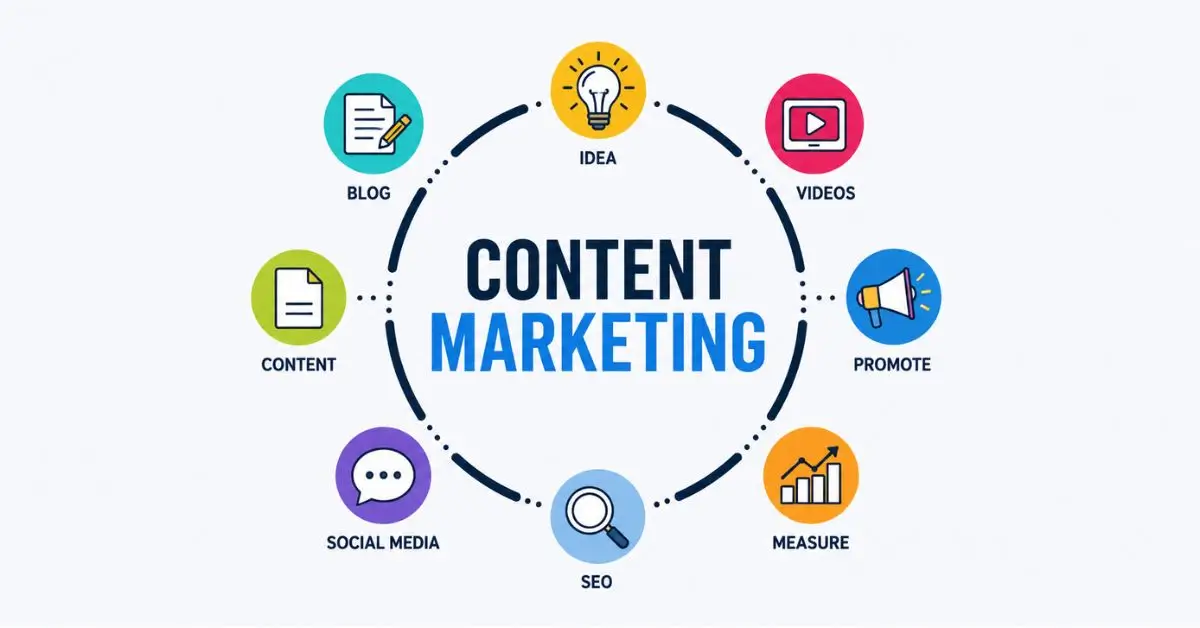
Content marketing has become one of the most effective ways for businesses to attract customers, build trust, and increase online visibility. Instead of directly promoting products or services, content marketing focuses on providing valuable information that helps people solve problems and make informed decisions.
When done correctly, it creates lasting relationships and supports sustainable business growth.
What Is Content Marketing?
Content marketing is a digital marketing strategy that involves creating and sharing valuable, relevant, and consistent content to attract a specific audience.
This content may include:
- Blog posts
- Videos
- Guides
- Case studies
- Infographics
- Podcasts
- Social media content
The goal is to educate, inform, and engage users while encouraging profitable customer actions.
Why Content Marketing Matters
Modern consumers prefer learning about a brand before making a purchase. Useful content helps businesses establish credibility and become trusted sources of information.
Key Benefits
- Improves organic search visibility
- Builds brand authority
- Generates qualified leads
- Increases customer engagement
- Supports long-term growth
- Enhances customer trust
Businesses that consistently publish high-quality content often experience stronger customer relationships and better conversion rates.
Types of Content Marketing
Different content formats serve different purposes within a marketing strategy.
Blog Articles
Blog posts help answer customer questions and improve search engine rankings.
Video Content
Videos increase engagement and simplify complex topics.
Case Studies
Case studies demonstrate real results and build credibility.
Email Newsletters
Email content helps nurture leads and maintain customer relationships.
Social Media Content
Social platforms help distribute content and expand audience reach.
How to Create an Effective Content Marketing Strategy
A successful strategy begins with understanding your audience and creating content that meets their needs.
1. Define Your Goals
Determine whether you want to:
- Increase website traffic
- Generate leads
- Improve brand awareness
- Boost sales
2. Research Your Audience
Identify your audience’s:
- Interests
- Challenges
- Search behavior
- Preferred content formats
3. Perform Keyword Research
Target keywords that match user intent and support your business goals.
Examples include:
- Content marketing strategy
- SEO content writing
- Content creation tips
- Lead generation content
4. Create High-Quality Content
Focus on originality, usefulness, and readability. Content should provide practical value rather than simply promote products.
5. Measure Performance
Track key metrics such as:
- Organic traffic
- Time on page
- Conversions
- Engagement rates
- Keyword rankings
Best Practices for Content Marketing Success
To maximize results:
- Publish content consistently
- Prioritize user experience
- Optimize for SEO naturally
- Update older content regularly
- Use internal links strategically
- Focus on solving audience problems
These practices improve both search visibility and user satisfaction.
Content Marketing in the Age of AI Search
Search engines and AI-powered platforms increasingly prioritize helpful, authoritative content. Businesses should create content that directly answers questions, demonstrates expertise, and provides clear value.
Well-structured content with concise explanations, headings, and FAQs is more likely to appear in AI-generated search summaries and featured results.
Frequently Asked Questions
What is content marketing?
Content marketing is the process of creating valuable content to attract, engage, and convert a target audience.
Why is content marketing important?
It helps businesses build trust, improve search visibility, and generate qualified leads over time.
How does content marketing help SEO?
Quality content targets relevant keywords, earns backlinks, and improves website authority.
What are examples of content marketing?
Blog posts, videos, email newsletters, guides, podcasts, and case studies are common examples.
How often should businesses publish content?
Consistency matters more than frequency. Many businesses see results by publishing quality content regularly.