Mobile Technology Trends: How Smartphones Quietly Took Over Our Lives
Introduction
A decade ago, smartphones were mainly used for calls, texts, and casual browsing. Today, they quietly control how we work, learn, shop, and even manage our health. According to data published by GSMA, over 5.6 billion people worldwide now use mobile devices, making mobile technology trends one of the most influential forces in modern life. This transformation did not happen overnight. It is the result of rapid innovation, intense competition, and constant consumer demand for faster, smarter, and safer devices.
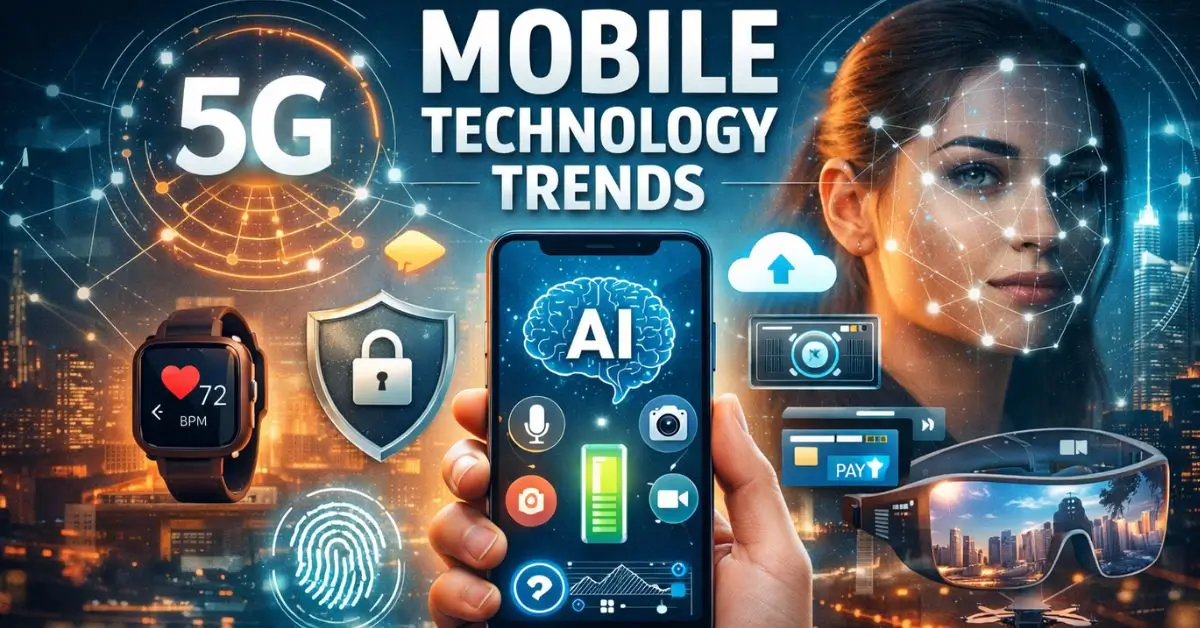
Mobile technology trends now extend far beyond hardware upgrades. Artificial intelligence, cloud computing, biometric security, and 5G connectivity have redefined what a smartphone can do. Companies like Apple and Google continue to push boundaries by integrating AI-powered assistants, advanced cameras, and privacy-focused systems into everyday devices. At the same time, operating systems such as Android and iOS evolve yearly to support new mobile behaviors and expectations.
Another major shift is how smartphones influence industries outside technology. Mobile banking, telemedicine, online education, and remote work all rely heavily on mobile innovation. Research from Pew Research Center highlights that smartphones are now the primary internet access point for millions of users globally. This makes mobile technology trends critical not just for tech enthusiasts, but for businesses, educators, and policymakers as well.
This article explores mobile technology trends in depth, covering innovation, performance, security, user experience, and future possibilities. You will also find a comparison table, FAQs, and final thoughts to help you understand where mobile technology is heading and why it matters more than ever.
Evolution of Mobile Technology
From Feature Phones to Smart Ecosystems
Mobile technology trends began with simple feature phones focused on communication. Over time, smartphones evolved into complete digital ecosystems. Touchscreens replaced keypads, app stores replaced built-in tools, and cloud services replaced local storage. According to Encyclopaedia Britannica, this shift marked a turning point in personal computing.
Hardware Innovation
Modern smartphones now feature multi-core processors, advanced GPUs, and energy-efficient chipsets. Companies like Qualcomm and Apple Silicon have transformed mobile performance, enabling console-level gaming and professional-grade video editing on handheld devices.
Software Advancements
Operating systems play a vital role in mobile technology trends. Android and iOS updates now focus on AI automation, privacy controls, and seamless device integration. These improvements enhance productivity and personalization.
Ecosystem Integration
Smartphones now connect with wearables, smart homes, and vehicles. This interconnected ecosystem improves convenience and data sharing while shaping future mobile innovation.
5G and Connectivity Breakthroughs
Why 5G Changed Everything
One of the most impactful mobile technology trends is 5G connectivity. According to Federal Communications Commission (FCC) reports, 5G offers speeds up to 100 times faster than 4G, enabling real-time applications.
Faster Data Speeds
5G allows ultra-fast downloads, smoother streaming, and improved gaming experiences. This shift supports cloud-based mobile applications and services.
Lower Latency
Reduced latency improves video calls, online gaming, and remote work tools. It also supports emerging technologies like augmented reality.
Global Expansion
Telecom providers worldwide are expanding 5G infrastructure, making high-speed mobile access more accessible than ever.
Artificial Intelligence in Smartphones
AI as the Brain of Mobile Devices
Artificial intelligence is central to modern mobile technology trends. AI enhances photography, voice recognition, and battery management. According to MIT Technology Review, AI-driven optimization improves user experience significantly.
Smart Cameras
AI-powered cameras adjust lighting, focus, and color automatically, delivering professional-quality photos.
Voice Assistants
Assistants like Google Assistant and Siri use AI to understand context, automate tasks, and provide personalized suggestions.
Battery Optimization
AI predicts usage patterns to extend battery life, a major concern for mobile users.
Mobile Security and Privacy
Protecting Data in a Mobile World
As mobile technology trends advance, security becomes more critical. Smartphones store sensitive data, making them prime targets for cyber threats.
Biometric Authentication
Fingerprint and facial recognition improve security while maintaining convenience.
Privacy Controls
Operating systems now offer detailed permission controls, empowering users to manage data access.
Secure Payments
Mobile wallets use encryption and tokenization to protect financial transactions, supported by standards from NIST.gov.
User Experience and Design Trends
Designing for Human Behavior
User experience drives mobile technology trends. Manufacturers focus on intuitive design, accessibility, and sustainability.
Minimalist Interfaces
Clean layouts and gesture-based navigation improve usability.
Accessibility Features
Screen readers, voice control, and adaptive displays make smartphones inclusive.
Sustainable Design
Brands now prioritize eco-friendly materials and longer device lifecycles, aligning with global sustainability goals.
Mobile Technology Trends Comparison Table
| Feature | Old Smartphones | Modern Smartphones |
| Connectivity | 3G / 4G | 5G |
| Security | PIN / Pattern | Biometrics |
| AI Integration | Limited | Advanced |
| Ecosystem | Standalone | Fully Connected |
Final Thoughts: Mobile Technology Trends
Mobile technology trends continue to reshape how we live and interact with the world. From faster connectivity and AI-driven personalization to stronger security and smarter design, smartphones have evolved into essential life tools. Each section of this article highlights how innovation builds upon user needs, technological capability, and global connectivity.
The future of mobile technology trends points toward deeper AI integration, more immersive experiences, and stronger privacy protections. As devices become smarter, they will also become more responsible, balancing innovation with ethical data use. Understanding these trends helps users make informed decisions and prepares businesses for a mobile-first future.
FAQs
What are the most important mobile technology trends today?
Mobile technology trends include 5G connectivity, AI integration, enhanced security, and ecosystem connectivity. These trends improve speed, personalization, and data protection.
How does AI improve smartphone performance?
AI optimizes battery usage, enhances photography, and personalizes user experiences by learning behavior patterns.
Why is 5G important for mobile users?
5G provides faster speeds, lower latency, and supports advanced applications like AR and cloud gaming.
Are modern smartphones more secure?
Yes, biometric authentication, encryption, and advanced privacy controls significantly improve mobile security.
What is the future of mobile technology trends?
Future trends include AI-driven automation, sustainable design, and deeper integration with smart environments.