The Evolution of Indian Fashion: From Traditional Roots to Global Streets (2026)
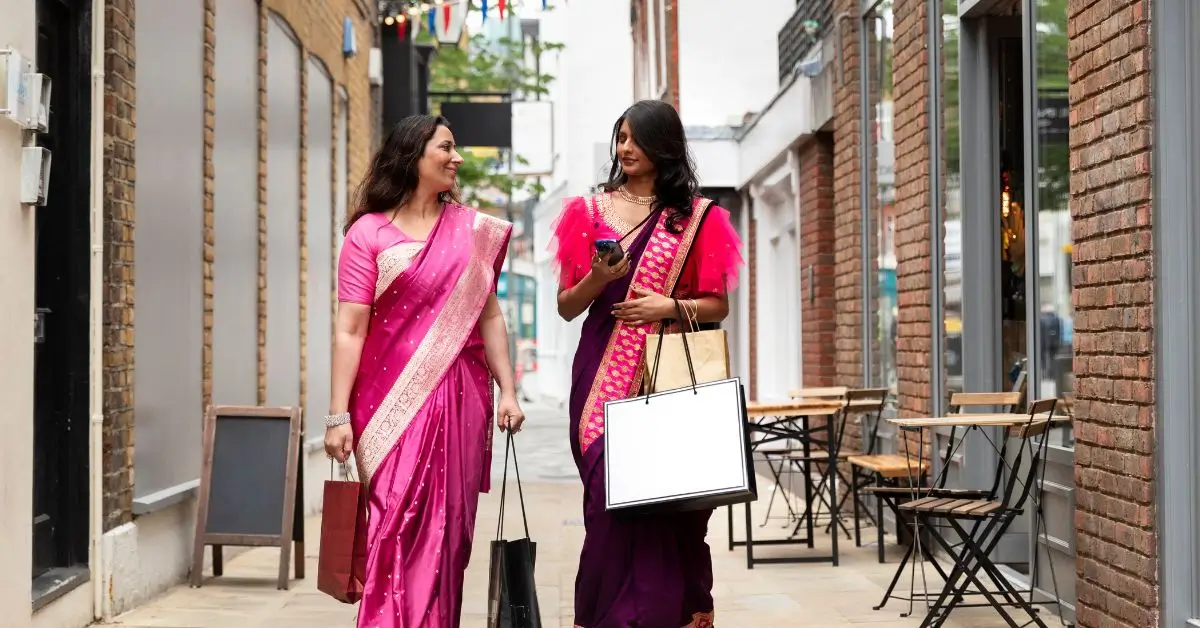
India’s fashion landscape is a vibrant tapestry, woven with threads of ancient heritage and modern innovation. For decades, the world viewed Indian attire through a lens of heavy embroidery and wedding grandeur. However, as we move through 2026, the narrative has shifted. Today, Indian fashion is a powerful dialogue between “Desi Logic” and “Global Aesthetic,” creating a style that is as comfortable in a Mumbai boardroom as it is on a London street.
1. The Soul of the Soil: Sustainable and Ethical Fashion
One of the most significant shifts in the Indian market is the move toward Sustainability. Indian consumers are increasingly conscious of their ecological footprint. This isn’t just a trend; it’s a return to roots. Traditional fabrics like Khadi, hand-loomed cotton, and Ahimsa silk are no longer seen as “old-fashioned” but as premium, luxury choices.
Local artisans are reclaiming their spot in the limelight. Techniques like Ajrakh printing from Gujarat and Kantha work from West Bengal are being integrated into modern blazers and trench coats, proving that heritage can be high-fashion.
2. The Gen-Z Takeover: Streetwear with a Desi Twist
If you walk through the hip neighborhoods of Bangalore or Delhi, you’ll notice a distinct change. The youth have embraced Streetwear with a uniquely Indian flavor. We are seeing oversized hoodies paired with traditional Dhoti pants and chunky sneakers worn with hand-blocked sarees.
- Gender-Fluid Clothing: Men are increasingly experimenting with flared trousers, floral tunics, and jewelry, breaking the rigid barriers of traditional masculinity.
- Athleisure Fusion: The “Work-from-anywhere” culture has birthed a style that blends yoga-wear with formal ethnic waistcoats.
3. The Digital Influence: Viral Trends and Creators
Social media has democratized fashion in India. You no longer need a Bollywood stylist to tell you what’s “in.” Instagram and Pinterest creators are the new trendsetters. The “Vocal for Local” movement has gained massive momentum, with home-grown brands gaining more traction than international fast-fashion giants. To understand the historical context of how these garments evolved, you can explore the detailed history of Fashion in India
Indian Fashion Segments & Pricing (2026 Estimates)
Understanding the market requires a look at how different styles are positioned. Here is a breakdown of the current market landscape:
| Category | Key Highlight | Avg. Price Range (INR) |
| Sustainable Luxury | Hand-loomed, Eco-dyes | ₹5,000 – ₹35,000+ |
| Daily Ethnic Wear | Cotton Kurtas, Palazzos | ₹1,500 – ₹6,000 |
| High-Street Fusion | Co-ord Sets, Indo-Western | ₹3,000 – ₹15,000 |
| New-Age Streetwear | Graphic Tees, Cargoes | ₹1,200 – ₹8,000 |
| Footwear | Vegan Leather Juttis | ₹1,500 – ₹5,000 |
4. Wedding Minimalism: The “Quiet Luxury” Phase
The era of neon pink and blinding gold is fading. In 2026, Indian weddings are embracing Minimalism. Couples are opting for “Quiet Luxury”—think ivory lehengas with delicate self-thread work rather than heavy crystals. Champagne, sage green, and earthy terracotta are the colors of the season.
This shift also reflects a change in values; modern brides and grooms want outfits they can “re-wear” by styling them differently, rather than letting a ₹2 Lakh outfit sit in a box forever.
5. Accessorizing the Modern Way
The Statement Piece is the king of 2026. Instead of a full gold set, people are pairing oxidized silver chokers with white shirts, or traditional Mojaris with denim jeans. It’s all about the mix-and-match logic that allows for personal storytelling through clothing.
Frequently Asked Questions (FAQs)
Q1: What is the most popular fabric in India right now?
A: Organic Cotton and Linen are leading the charts due to their breathability and eco-friendly nature, especially in the tropical Indian climate.
Q2: How can I style a traditional Saree for a modern corporate look?
A: Try draping your saree over a turtleneck sweater or a structured blazer. Adding a sleek leather belt at the waist can also give it a modern, professional silhouette.
Q3: Is fast fashion still popular in India?
A: While international brands still exist, there is a visible shift toward “Slow Fashion,” where consumers prefer quality over quantity and support local labels.