Ultimate Guide to Home: Comfort, Safety, and Happiness

A home is much more than walls and a roof; it is a sanctuary where comfort, safety, and personal expression come together. Whether it’s a cozy apartment in the city, a suburban house, or a countryside retreat, the idea of home holds emotional, cultural, and practical significance. With the rise of global living trends, smart technology, and sustainable practices, creating the perfect home has never been more dynamic or personalized.
In this guide, we will cover every aspect of home—from emotional importance to practical design, maintenance, sustainability, and modern lifestyle integration—to help you build a space that truly supports your daily life and well-being.
The Emotional Significance of Home
Home provides a sense of security, belonging, and mental well-being. Psychologists highlight that living in a space that feels safe and personalized can reduce stress, increase happiness, and support overall mental health. A personalized home allows for self-expression through décor, colors, and layout while fostering family connections and social bonding.
For families, home is where milestones are celebrated, memories are created, and relationships are nurtured. Even small touches like photos, family heirlooms, or favorite furniture arrangements can create a comforting environment that promotes emotional resilience.
Designing a Functional and Comfortable Home
A well-designed home balances aesthetics with functionality. The layout, furniture placement, and lighting all play crucial roles in creating a comfortable and practical living space. Open-plan designs encourage social interaction, while designated areas for work or study provide privacy and focus.
Key Considerations for Modern Home Design
| Aspect | Recommendation |
| Layout | Open-plan for social areas; separate zones for privacy |
| Lighting | Natural light where possible; LED or adjustable lighting for flexibility |
| Colors | Warm tones for comfort; neutral tones for spacious feel |
| Furniture | Multi-purpose furniture for efficiency; ergonomic designs for comfort |
| Technology | Smart home devices for automation, security, and energy efficiency |
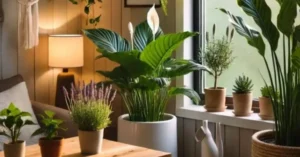
The use of color, texture, and natural elements such as indoor plants can enhance mood and comfort. Thoughtful home design not only creates beauty but also supports daily routines efficiently.
Home Maintenance: Safety and Health
Maintaining a home is essential for safety, functionality, and long-term value. Regular cleaning, repairs, and preventive maintenance can prevent costly problems in the future. Plumbing, electrical systems, and HVAC systems should be inspected routinely to ensure they operate safely.
A clean and organized home promotes both mental clarity and physical health. Regular decluttering improves functionality and reduces stress, while proper ventilation and natural light enhance air quality and overall well-being.
Personalizing Your Home
Personal touches transform a house into a home. Artwork, photographs, souvenirs, and furniture reflect your style and personality. Modern homeowners often integrate smart home technology to improve convenience and personalization.
Smart devices such as automated lighting, thermostats, and security systems enhance comfort while allowing energy efficiency. Additionally, AI-powered home assistants can manage tasks, remind you of maintenance schedules, and integrate with other smart devices to create a seamless living experience.
Sustainability and Eco-Friendly Living
Sustainable home design is no longer optional. Energy-efficient appliances, solar panels, water-saving fixtures, and eco-friendly building materials reduce environmental impact and save costs. Recycling, composting, and reducing single-use plastics support a green lifestyle.
Sustainable homes not only benefit the environment but also improve indoor air quality, reduce energy bills, and support mental and physical well-being. Green spaces like indoor plants or small gardens bring nature closer to home and enhance mood and productivity.
Lifestyle and Health Integration
Your home should support your lifestyle and health goals. This includes creating spaces for exercise, relaxation, and work. Ergonomic furniture, quiet study areas, and well-designed kitchens contribute to both productivity and well-being.
Proper nutrition, fitness routines, and mindfulness practices can be seamlessly integrated into the home environment. Even small spaces can be optimized for wellness with standing desks, yoga corners, or indoor plants.
The Future of Modern Homes
Modern homes are increasingly connected, smart, and adaptable. AI, IoT (Internet of Things), and home automation are redefining comfort, convenience, and security. Homes that integrate technology efficiently allow homeowners to manage energy, improve security, and automate routine tasks.
Furthermore, homes are becoming more adaptable to lifestyle changes. Modular furniture, flexible workspaces, and digital connectivity ensure that spaces can evolve as family needs and work habits change.
Conclusion: Creating a Home That Nurtures Life
A home is more than a shelter—it is a place that nurtures physical, emotional, and social well-being. By combining thoughtful design, regular maintenance, personalization, sustainability, and modern technology, anyone can create a space that is comfortable, safe, and supportive of a healthy lifestyle.
Whether building a new home or upgrading an existing space, focusing on both functional and emotional elements ensures that your home becomes a sanctuary. In addition, integrating wellness habits, smart technology, and eco-friendly practices will future-proof your home for decades to come.